Information from a source that helps us test a claim.
source
A document, object, image, or account we can examine.
inference
An explanation based on clues; it still needs checking.
migration
Moving from one place to another to live.
immigrant
A person who moves to another country to live.
estimate
An approximate amount, based on available information.
oral history
A recorded interview about someone’s memories and experiences.
community
People connected by a place, relationships, or shared activities.
ancestry
Family origins across generations.
primary source
Evidence created by someone who experienced a time or event.
The screening room
Watch. Notice. Ask.
Short films and selected excerpts connect our lessons to people, places, and evidence.
For classroom viewing
Watch with your teacher. Captions can be turned on in each player when available. Films do not start automatically. Use the source links if a school network blocks a player. Longer films and difficult history need an adult to select and explain a short excerpt.
Meet two Wampanoag girls and explore connections between their lives today and the history shared at the museum. Present-day Wampanoag people have modern lives as well as deep connections to their communities’ traditions.
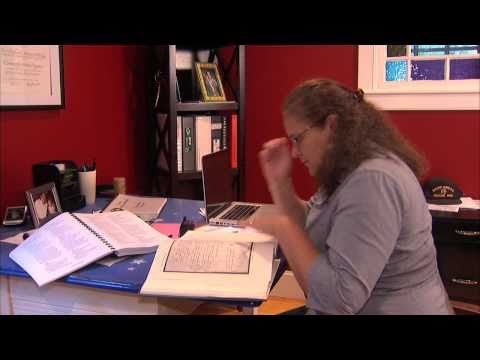
An Aquinnah Wampanoag artist: Elizabeth James-Perry
Meet an Aquinnah Wampanoag artist whose work connects wampum, plant fibers, family knowledge, and the land. Look for evidence of a living tradition that continues to grow.
How can art carry knowledge from one generation to another?
What would you ask the artist about her work?
MacArthur Foundation · Short profile · 2010
Jessie Little Doe Baird: bringing language home
Listen to Mashpee Wampanoag linguist Jessie Little Doe Baird describe language reclamation. Her work connects to several Wampanoag communities, including Aquinnah. Read about the project’s continuing work on its own website.
What kinds of sources can help reclaim a language?
How do people work together to pass knowledge to children?
Rhode Island PBS / Ocean State Media · 9:59
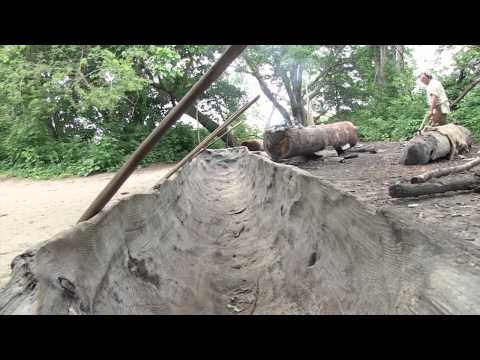
Mishoon: knowledge carried forward
A Native artist and crew share Wampanoag boat-building knowledge in Little Compton, Rhode Island. This is a living tradition, connected to Wampanoag communities across the region.
How does a boat connect people with waterways and one another?
What shows that Wampanoag knowledge continues today?
Plimoth Patuxet / PACTV · 8:31
Paddling Through History
Follow a mishoon-making project shared in Plimoth Patuxet’s teacher toolkit. The museum recommends this film for grades 5 and up; for this class, an adult should preview it and choose a short excerpt.
What can this film teach that a still photograph cannot?
What question would you ask a Wampanoag boat maker?
PBS / American Experience · 2009 · About 73 minutes · teacher-selected excerpts
We Shall Remain · Episode 1: After the Mayflower
This documentary follows Wampanoag and English relationships from the 1621 alliance made by Ousamequin (Massasoit) through the conflict known as King Philip’s War. It examines why leaders made difficult choices as disease, growing English settlements, and demands for land threatened Native communities. Native voices, historians, and reenactments help tell the story. Wampanoag history continues today.
What did Ousamequin hope an alliance would do for his people?
How did relationships and control of land change over time?
Which parts are reenactments, and which voices explain the evidence?
How do the living Wampanoag voices elsewhere on this site extend the story?
Scholastic / Plimoth Patuxet Museums · About 30 minutes · choose a short segment
Visit Plimoth Patuxet with Scholastic
This virtual field trip explores daily life and the 1621 gathering through English and Wampanoag perspectives. The recording uses the museum’s former name, Plimoth Plantation; today it is Plimoth Patuxet Museums. These are modern museum scenes, not film from the 1600s.
How do the Wampanoag and English perspectives differ?
What is a museum reconstruction, and what can it help us learn?
Old North Church & Historic Site · 6:49
Who held the lanterns at Old North?
In Episode 1 of “99% Sure,” Old North researcher T.J. Todd investigates who held the lanterns on April 18, 1775. Preview the film, then pause to discuss how historians investigate a familiar story.
What evidence would help us learn who held the lanterns?
Why might a historian be careful about saying they are completely sure?
American Battlefield Trust · 2:51 · animated history
Shays’ Rebellion: Revolt Against the Revolution
After independence, Massachusetts farmers faced debts and taxes they struggled to pay. Protests in 1786–1787 became an armed uprising. This short animation introduces a difficult question: how should a new government respond to people who believe they are being treated unfairly?
What is the difference between a peaceful petition and armed action?
How can a government listen to people and also keep them safe?
Literacy In Focus · Full poem read aloud with text
Listen: Paul Revere’s Ride
Hear Longfellow’s poem and follow its words. Notice the rhythm and sound effects. Then compare the poem with a historical account: Revere did not ride alone, and he was stopped before Concord. A dramatic retelling can help us remember an event while changing its details.
See the Big Dig while construction was still underway. Engineers had to build below a busy city. Treat this 1997 report as a source from that moment: predictions about completion and cost are not final totals. Compare the report with MassDOT’s history of the completed project.
Who might be helped or inconvenienced by a road project?
Which statements describe 1997, and which predict the future?
NASA Goddard · Short science-history film
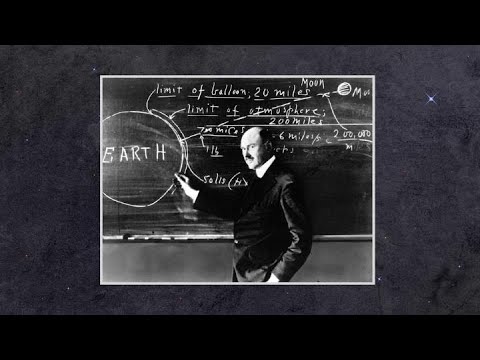
Robert Goddard and the beginnings of modern rocketry
Connect a rocket experiment in Auburn, Massachusetts, to the history of spaceflight. Look for testing, changes, and teamwork. Rocket experiments use hazardous equipment; our classroom challenge is to draw and explain an idea, not build or ignite a rocket.
What evidence shows that inventions take repeated work?
How can a small experiment influence a much larger project?
American Battlefield Trust · In4 Minutes series · teacher preview
Meet the 54th Massachusetts
Historian Kevin Levin explains the regiment’s service and the people who joined it. Preview for references to slavery, racism, and battle. Pair a short excerpt with the profiles of William Carney, Robert Gould Shaw, and Frederick Douglass.
Why should a regiment’s story include more than its commander?
Mishoon films: observe skilled makers. They show fire and sharp tools. Children must not try the work without direct supervision from a qualified adult. The Episode 1 documentary and military films include difficult history; teachers should preview them before class.
The three-clue challenge
Notice one place, object, or action.
Write one new fact and name who explained it.
Ask one question the film did not answer.
Was your clue an interview, an old document, a museum reconstruction, an animation, or a reenactment? Those are different kinds of evidence.
Keep investigating
John Adams on screen
Compare official HBO clips with historical evidence. Teacher preview required.






 Watch, question, compare
 American Battlefield Trust videos