MassachusettsHISTORY EXPLORERS GRADES 3–8
Language / Idioma
Choose your path

Reading tools & my notebook
My passport
Quick glossary
evidence
Information from a source that helps us test a claim.
source
A document, object, image, or account we can examine.
inference
An explanation based on clues; it still needs checking.
migration
Moving from one place to another to live.
immigrant
A person who moves to another country to live.
estimate
An approximate amount, based on available information.
oral history
A recorded interview about someone’s memories and experiences.
community
People connected by a place, relationships, or shared activities.
ancestry
Family origins across generations.
primary source
Evidence created by someone who experienced a time or event.

Leadership did not end in the 1600s.

Meet people who protect community, teach language, make art, and speak for Native rights.

Recognition is a chapter, not a beginning.

The Aquinnah Tribe gained federal recognition in 1987. That formal relationship with the U.S. government followed generations of Wampanoag community life and years of work by tribal citizens. Native nations existed long before the United States.

Read the Tribe’s history ↗ · Language project history ↗. Tribal citizens—not a website—define their identities and traditions.

Listen to living voices

Preview of An Aquinnah Wampanoag artist: Elizabeth James-Perry
Mass Cultural Council · Artist film

An Aquinnah Wampanoag artist: Elizabeth James-Perry

Meet an Aquinnah Wampanoag artist whose work connects wampum, plant fibers, family knowledge, and the land. Look for evidence of a living tradition that continues to grow.

Open video with its publisher ↗ · Source & teaching context ↗

Watch, pause, and discuss
  1. What materials do you notice?
  2. How can art carry knowledge from one generation to another?
  3. What would you ask the artist about her work?
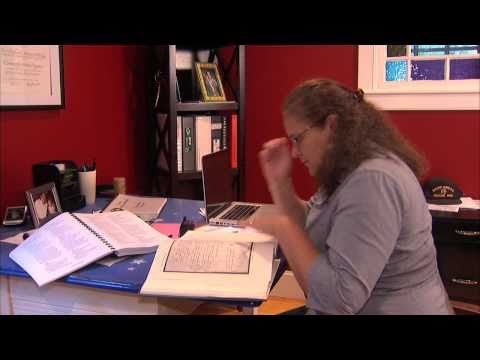
Preview of Jessie Little Doe Baird: bringing language home
MacArthur Foundation · Short profile · 2010

Jessie Little Doe Baird: bringing language home

Listen to Mashpee Wampanoag linguist Jessie Little Doe Baird describe language reclamation. Her work connects to several Wampanoag communities, including Aquinnah. Read about the project’s continuing work on its own website.

Open video with its publisher ↗ · Source & teaching context ↗

Watch, pause, and discuss
  1. Why might a language matter to a community?
  2. What kinds of sources can help reclaim a language?
  3. How do people work together to pass knowledge to children?
Native nations & living voicesJohn Smith’s 1616 map of New England, including Wampanoag homelands (context image)

Context image · John Smith’s 1616 map of New England, including Wampanoag homelands (context image)

c. 1581–1661

Ousamequin (Massasoit)

Pokanoket Wampanoag homelands; Plymouth relationships

Ousamequin was a Wampanoag sachem, or leader. In 1621 he made an alliance with Plymouth’s English colonists to help protect his people. His decisions belonged to a Native political world with its own nations and relationships. “Massasoit” is the title by which many English sources remember him.

Investigate this life
Native nations & living voicesChamplain’s map of Plymouth Harbor, the place of Patuxet (context image)

Context image · Champlain’s map of Plymouth Harbor, the place of Patuxet (context image)

c. 1580s–1622

Tisquantum (Squanto)

Patuxet, the Wampanoag homeland at Plymouth

Tisquantum was kidnapped by an English trader and taken across the Atlantic. After returning, he found that disease had devastated his home community. He later interpreted between Wampanoag and English people. His life includes survival, travel, and diplomacy—not just the familiar story about planting corn.

Investigate this life
Native nations & living voicesKing Philip’s Seat at Mount Hope, associated with Metacom (context image)

Context image · King Philip’s Seat at Mount Hope, associated with Metacom (context image)

c. 1638–1676

Metacom (Metacomet)

Pokanoket Wampanoag homelands; southeastern Massachusetts

Metacom was Ousamequin’s son and a Wampanoag leader. English colonists called him King Philip. As English settlements grew and Native control of land weakened, he resisted colonial power. The war named for him brought terrible losses. Wampanoag communities survived and continue today.

Investigate this life
Native nations & living voicesA 1616 map of New England; Weetamoo led Pocasset people in this region (context image)

Context image · A 1616 map of New England; Weetamoo led Pocasset people in this region (context image)

c. 1635–1676

Weetamoo

Pocasset Wampanoag homelands near today’s Fall River and Tiverton

Weetamoo was a Pocasset Wampanoag sachem. She led her people and became an ally of Metacom during King Philip’s War. Many surviving written accounts were made by her English opponents. Historians must ask how those writers’ points of view shaped the story they recorded.

Investigate this life
Native nations & living voicesTitle page of the 1663 Bible printed at the Harvard Indian College

Context image · A 1663 Wampanoag-language Bible printed at Harvard’s Indian College (context image)

c. 1646–1666

Caleb Cheeshahteaumuck

Martha’s Vineyard and Cambridge

Caleb was a Wampanoag scholar from Martha’s Vineyard. In 1665 he became the first Native American to graduate from Harvard College. His story connects island learning with the college’s early history. It also raises questions about whose languages and knowledge schools have valued.

Investigate this life
Native nations & living voicesPortrait of William Apess

1798–1839

William Apess

Colrain, Mashpee, and Boston

Apess was a Pequot writer, minister, and advocate for Native rights. In Boston he delivered a speech about Metacom that challenged the way colonists had been celebrated. His writing asks readers to consider Native perspectives and the unequal treatment of Native people.

Investigate this life
Native nations & living voicesPortrait of Gladys Widdiss

1914–2012

Gladys Widdiss

Aquinnah / Noepe

Widdiss was an Aquinnah Wampanoag leader, historian, and clay artist. She helped lead the long effort to gain federal recognition for her Tribe. Recognition came in 1987 during her presidency. Many citizens and leaders worked together; the Tribe’s history began thousands of years before that decision.

Investigate this life
Native nations & living voicesAquinnah Cliffs in Beverly Wright’s Wampanoag homeland (context image)

Context image · Aquinnah Cliffs in Beverly Wright’s Wampanoag homeland (context image)

Leadership in the late 1900s and 2000s

Beverly Wright

Aquinnah / Noepe

Wright served as chairperson of the Wampanoag Tribe of Gay Head (Aquinnah). Her public service is part of the continuing story of tribal self-government. Learning about tribal leaders helps us see that Native nations make decisions about community needs in the present as well as the past.

Investigate this life
Native nations & living voicesAquinnah Cliffs in Tobias Vanderhoop’s Wampanoag homeland (context image)

Context image · Aquinnah Cliffs in Tobias Vanderhoop’s Wampanoag homeland (context image)

Contemporary leader

Tobias J. Vanderhoop

Aquinnah / Noepe

Vanderhoop is an Aquinnah Wampanoag leader who served as tribal chairman. He encourages Native citizens to take part in cultural life and public decisions. His work connects community planning, self-determination, and relationships among tribal, town, state, and federal governments.

Investigate this life
Native nations & living voicesPortrait of Cheryl Andrews-Maltais

Contemporary leader

Cheryl Andrews-Maltais

Wampanoag Tribe of Gay Head (Aquinnah)

Andrews-Maltais has served as the Tribe’s chairwoman. A tribal council makes decisions about land, services, education, and community well-being. Her public service offers a way to study the continuing work of a sovereign Native nation. Tribal government and the Town of Aquinnah’s government are different.

Investigate this life
Native nations & living voicesPortrait of Jessie Little Doe Baird

Born 1963

Jessie “Little Doe” Baird

Mashpee; work across Wampanoag communities

Baird is a Mashpee Wampanoag linguist and co-founder of the Wôpanâak Language Reclamation Project. Working with other Wampanoag people and historical documents, she has helped bring the language into new generations of speakers. This work involves several communities, including Aquinnah. She is a Mashpee citizen.

Investigate this life
Native nations & living voicesJason Baird outdoors, in a photograph from the Tribe’s council page

Contemporary leader

Jason Baird

Aquinnah / Noepe

The Aquinnah Tribe lists Baird as its Tribal Medicine Man, an honorary seat on the council. His role belongs to a living community with its own responsibilities and traditions. Learn about the role from the Tribe’s public information, and respect that some cultural knowledge is not for public sharing.

Investigate this life
Native nations & living voicesPortrait of Elizabeth James-Perry

Contemporary artist

Elizabeth James-Perry

Aquinnah Wampanoag homelands; Dartmouth

James-Perry is an Aquinnah Wampanoag artist who works with wampum and plant fibers. She combines family knowledge, research, and careful preparation of natural materials. Her art helps carry knowledge forward. She received a National Heritage Fellowship in 2023.

Investigate this life
Native nations & living voicesPortrait of Jonathan James-Perry

Contemporary artist and cultural educator

Jonathan James-Perry

Aquinnah / Noepe

James-Perry shares Aquinnah Wampanoag knowledge through art and public education. His recorded words describe connections among people, ocean, land, and oral tradition. Listening to a community member gives us a different kind of source from a textbook written about that community.

Investigate this life
Native nations & living voicesPortrait of Juli Vanderhoop

Contemporary community leader

Juli Vanderhoop

Aquinnah / Noepe

Vanderhoop has served on Aquinnah’s select board and community preservation committee. Her work shows one way an island resident can help care for a town’s shared places. Town offices are separate from tribal offices, even when citizens participate in both communities.

Investigate this life
Native nations & living voicesPortrait of Zitkála-Šá

1876–1938

Zitkála-Šá

Studied music in Boston

Zitkála-Šá was a Yankton Dakota writer, musician, and advocate for Native rights. She studied violin at the New England Conservatory in Boston. Her writing described the harm of schools that forced Native children to give up parts of their cultures, and she worked for citizenship and voting rights.

Investigate this life
Native nations & living voiceslinda coombs and grass pack basket.

Contemporary

Linda Coombs

Aquinnah; Mashpee; Plymouth

Linda Coombs is an Aquinnah Wampanoag historian, author, artisan, and museum educator with deep ties to Martha's Vineyard and Cape Cod. She has worked at the Boston Children's Museum, Plimoth's Wampanoag Indigenous Program, and the Aquinnah Cultural Center. Through exhibits, teaching, and writing, she helps audiences learn Wampanoag history from Wampanoag perspectives. Her book Colonization and the Wampanoag Story addresses young readers directly. Coombs connects research with community knowledge and living cultural practices. Her work reminds students that Native people interpret their own history and continue shaping Massachusetts today.

Investigate this life
Native nations & living voicesWamsutta Frank James at the 1974 National Day of Mourning in Plymouth

1923–2001

Wamsutta Frank James

Aquinnah; Cape Cod; Plymouth

Wamsutta Frank James was an Aquinnah Wampanoag musician, teacher, and organizer. In 1970 he was invited to speak at a commemoration of the Pilgrims' arrival, but organizers rejected the speech he wanted to give about Native history and colonial harm. James and others instead gathered in Plymouth for the first National Day of Mourning. The annual observance became a place to remember losses, affirm Native survival, and speak about continuing concerns. James also taught music to Cape Cod students. His life shows how education can happen through both artistic work and public remembrance.

Investigate this life

Investigate with an interactive

All history interactives →
Browse all collections